


A confident smile is often associated with good health, personal presentation, and self-esteem. However, maintaining an attractive smile involves much more than having naturally white teeth. Healthy gums, strong enamel, proper oral hygiene, balanced daily habits, and appropriate dental care all contribute to the appearance and function of a person’s smile. As people become increasingly interested in cosmetic dentistry and modern wellness, terms such as Brasssmile are also attracting attention online.
Understanding Brasssmile requires looking beyond the name and examining the actual principles of contemporary smile care. It is important to distinguish between an online term, an established dental procedure, and the evidence-based practices that genuinely support oral health. There is currently no established dental treatment or clinically recognized technique under the specific name Brasssmile. Nevertheless, the broader subject of smile improvement offers several important areas worth exploring, including preventive dentistry, cosmetic treatments, enamel protection, gum health, and personalized oral-care routines.
Modern dentistry has developed considerably, giving patients access to treatments that can improve both dental function and appearance. Yet an attractive result should never come at the expense of long-term oral health. This guide examines the science behind a healthy smile, the role of modern dental technology, and the practical decisions that matter when considering smile improvement.
What Is Brasssmile and Why Is It Receiving Attention?
Brasssmile is an online search term that appears in discussions about smiles, dental appearance, and oral-care information. Its exact meaning is not consistently established across online publications. Some content uses the term in connection with smile improvement, while other references discuss broader dental subjects.
This distinction matters because an unfamiliar name should not automatically be interpreted as a medical innovation or professionally approved dental treatment.
In established dentistry, procedures such as professional teeth whitening, orthodontic treatment, dental bonding, veneers, and restorative treatments have recognizable clinical applications. Their suitability depends on the patient’s dental condition, treatment objectives, and professional assessment.
Brasssmile should therefore be understood as a search term rather than a verified dental procedure. People interested in the subject can still benefit from understanding the established principles that support a healthier and more attractive smile.
The most useful starting point is to consider what makes a smile healthy. Tooth colour is only one part of the picture. Gum condition, enamel integrity, bite alignment, tooth structure, and daily hygiene habits are equally important.
The Relationship Between Oral Health and an Attractive Smile
A healthy smile begins with the condition of the mouth. Teeth and gums work together to support chewing, speaking, and everyday facial expression. Problems affecting either structure can influence comfort, appearance, and overall oral function.
Enamel is the hard outer layer protecting each tooth. Although it is the strongest tissue in the human body, it can gradually lose minerals through repeated exposure to acids produced by bacteria and dietary sources. Once enamel is significantly damaged, the body cannot naturally rebuild the original structure in the same way it repairs some other tissues.
Gums provide essential support around the teeth. Persistent inflammation can develop when plaque accumulates along the gumline. If left unmanaged, gum disease may progress and affect the tissues supporting the teeth.
Aesthetic improvements are more predictable when these underlying issues are addressed first. For example, whitening a tooth does not resolve untreated decay, and cosmetic veneers do not replace the need for healthy gums.
The American Dental Association emphasizes preventive home care and professional assessment as important elements of maintaining oral health.
Modern Smile Improvement Techniques
Contemporary dentistry offers several approaches for improving the appearance of teeth. Each treatment serves a different purpose, and selecting the right option requires understanding the condition being addressed.
Professional Teeth Whitening
Professional whitening is designed to reduce certain forms of tooth discolouration. Teeth may become darker because of ageing, tobacco exposure, coffee, tea, certain foods, and other factors.
Dental whitening products commonly use peroxide-based ingredients to break down coloured compounds within the tooth structure. Depending on the treatment, a dentist may provide an in-office procedure or a supervised take-home whitening system.
However, whitening is not suitable for every situation. Existing restorations, crowns, and veneers do not respond to whitening agents in the same way as natural teeth. Patients with untreated cavities, gum inflammation, or significant sensitivity may need an examination before considering treatment.
Professional advice is particularly useful when discoloration affects only one tooth or develops unexpectedly.
Dental Bonding for Minor Imperfections
Dental bonding is a restorative technique that uses tooth-coloured composite resin to improve the appearance of selected teeth. Dentists may use it to address small chips, minor gaps, irregular edges, or certain discolouration concerns.
One advantage is that bonding can often be completed without removing as much natural tooth structure as some other cosmetic procedures.
However, composite material can stain or wear over time. Its durability depends on the location of the restoration, biting pressure, material selection, and individual oral habits.
Bonding can be a practical solution for selected cosmetic concerns, but it is not automatically the best choice for every patient.
Porcelain Veneers and Smile Design
Porcelain veneers are thin custom-made restorations attached to the front surfaces of selected teeth. They can change the visible shape, colour, and proportions of teeth.
Veneers are often considered when patients want to address several cosmetic concerns together. These may include uneven tooth shapes, certain stains, visible gaps, or worn edges.
Nevertheless, veneer treatment requires careful planning. Some procedures involve removing a small amount of natural enamel, which makes the decision important from a long-term perspective.
A dentist should examine tooth structure, gum condition, bite alignment, and patient expectations before recommending this option.
Orthodontic Treatment and Bite Alignment
Not every smile concern is related to colour. Crowding, spacing, overlapping teeth, and bite irregularities can influence both appearance and oral function.
Traditional braces use brackets and wires to guide teeth into more appropriate positions. Clear aligners use a series of removable transparent trays to produce planned tooth movements.
The appropriate method depends on the complexity of the case. Some orthodontic problems can be treated with aligners, while others require fixed appliances or more comprehensive treatment.
An orthodontic assessment helps determine whether treatment is suitable and how long it may take.
The Role of Daily Oral Hygiene in Smile Preservation
Cosmetic procedures may improve the appearance of teeth, but everyday care helps maintain the results and protect natural dental structures.
The American Dental Association recommends brushing twice daily with fluoride toothpaste for approximately two minutes. Cleaning between the teeth is also important because a regular toothbrush cannot effectively reach every area.
A practical daily routine should include the following habits:
- Brush in the morning and before bedtime using fluoride toothpaste.
- Clean between teeth daily with floss or an appropriate interdental cleaning device.
- Replace toothbrushes when bristles become worn.
- Limit frequent consumption of sugary snacks and drinks.
- Drink water regularly.
- Avoid tobacco products.
- Arrange dental examinations according to individual oral-health needs.
Consistency is more valuable than relying on expensive products or complicated routines.
The ADA also explains that home-care recommendations may need to be personalized according to individual risk factors and dental conditions.
How Diet Influences Teeth and Gum Health
Diet has a direct relationship with oral health. Frequent exposure to sugars allows bacteria in dental plaque to produce acids that contribute to tooth decay.
The frequency of sugar consumption matters because repeated exposure can create repeated acid attacks on enamel. Regularly drinking sweetened beverages throughout the day may therefore create more opportunities for damage than consuming them occasionally with meals.
Acidic beverages can also contribute to enamel erosion. Soft drinks, energy drinks, and some fruit-based beverages may contain acids that gradually weaken the tooth surface.
A balanced diet that includes vegetables, fruits, whole grains, protein sources, and calcium-containing foods can support general health and provide nutrients needed by the body.
Water is a particularly useful everyday drink. In communities where drinking water contains appropriate fluoride levels, it can also contribute to cavity prevention.
Dietary habits do not replace brushing or professional dental care, but they are an important part of a complete oral-health strategy.
Digital Dentistry and the Evolution of Smile Design
Technology has changed how dental professionals examine, plan, and deliver treatment. Digital tools can help improve communication between dentists and patients while providing more detailed information about dental structures.
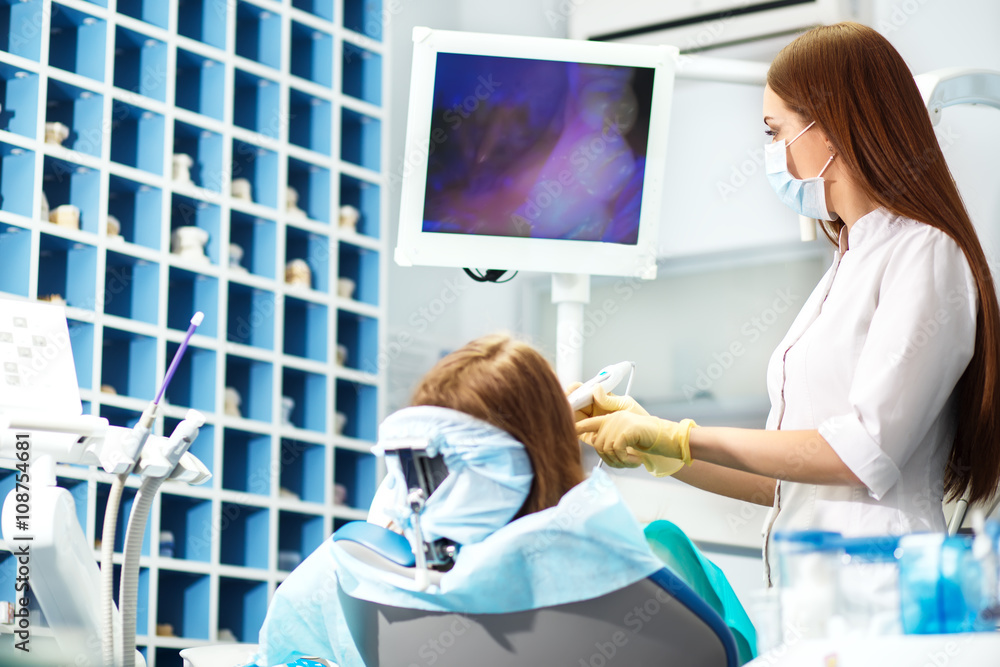
Intraoral scanners, for example, capture digital images of the teeth and surrounding tissues. These scans can be used to create digital models for certain restorations, orthodontic appliances, and treatment planning.
Digital smile simulations can also help patients understand possible aesthetic changes before treatment begins. However, a computer-generated preview is a planning aid rather than a guarantee of the final result.
Three-dimensional imaging may be appropriate in selected clinical situations, particularly when more detailed information about dental structures is necessary. It should not be used automatically when simpler examinations provide sufficient information.
The value of modern dental technology depends on how appropriately it is used. Equipment alone does not guarantee a successful outcome. Clinical judgment, patient assessment, and sound treatment planning remain essential.
Choosing the Right Smile Improvement Approach
People searching for Brasssmile or similar smile-related terms may have very different expectations. One person may want to remove surface stains, while another may be concerned about crowded teeth, damaged enamel, or gum appearance.
The most appropriate treatment depends on the actual problem.
| Dental concern | Established approach | Main consideration |
|---|---|---|
| Surface stains | Professional cleaning | Removes certain external deposits |
| Tooth discolouration | Professional whitening | Depends on the cause of staining |
| Minor chips | Dental bonding | Suitable for selected small imperfections |
| Uneven tooth appearance | Veneers or bonding | Requires individual assessment |
| Crowded teeth | Orthodontic treatment | Depends on bite and alignment |
| Gum inflammation | Professional periodontal assessment | Identifies the underlying cause |
This comparison is intended as general information rather than an individual treatment recommendation.
A qualified dentist can explain the benefits, limitations, costs, and potential risks of available options. Patients should also understand whether a proposed procedure requires permanent changes to natural teeth.
Common Mistakes That Can Affect Smile Health
The desire for a brighter or more attractive smile sometimes leads people toward unnecessary or unsuitable treatments.
One common mistake is using abrasive home remedies to remove stains. Scrubbing teeth with harsh substances can irritate gums and contribute to enamel wear.
Another problem is excessive whitening. Repeated use of whitening products beyond their recommended instructions may cause sensitivity and gum irritation.
Some people also focus entirely on tooth colour while ignoring gum bleeding, persistent bad breath, tooth pain, or changes in tooth position. These symptoms may indicate an underlying condition that requires professional evaluation.
Buying products simply because they are promoted online is another risky approach. A product’s popularity does not establish its clinical effectiveness.
The safest strategy is to understand the problem first, identify evidence-supported options, and seek professional guidance when treatment is needed.
How to Evaluate Online Smile-Care Information
Search engines contain a wide variety of dental articles, product recommendations, and cosmetic-treatment discussions. Not all of this information has the same level of reliability.
When researching Brasssmile or any unfamiliar dental term, readers should look for clear explanations of what is being discussed.
Reliable health information should distinguish between general education, professional treatment, and commercial promotion. It should also avoid unrealistic promises, guaranteed whitening results, and unsupported claims about permanent smile transformations.
Useful questions include:
- Is the treatment recognized in professional dentistry?
- Are its ingredients or procedures clearly explained?
- Is there published scientific evidence supporting the claims?
- Does the information identify possible side effects?
- Is the author appropriately qualified when making clinical recommendations?
- Does the article encourage professional assessment when necessary?
The principle of evidence-based dentistry is especially relevant here. The Australian Dental Association describes evidence-based dental care as the integration of relevant scientific research, professional expertise, and the individual patient’s needs and preferences.
This approach helps prevent decisions based solely on advertising or online trends.
The Long-Term Value of Preventive Dental Care
Preventive dentistry focuses on reducing the risk of oral diseases before they become more complicated. It includes regular examinations, appropriate cleaning, fluoride use, dietary guidance, and early identification of potential problems.
Professional dental visits also allow dentists to assess areas that may not be easy to examine at home. Early detection can make certain conditions easier to manage and may reduce the need for more extensive treatment.
The ideal examination schedule varies. People with a history of gum disease, frequent cavities, or other risk factors may require more frequent visits than individuals with stable oral health.
Long-term smile maintenance is therefore not based on one cosmetic procedure. It involves a combination of preventive care, informed choices, and consistent personal habits.
Frequently Asked Questions
Is Brasssmile an officially recognized dental treatment?
There is no established clinical evidence or recognized professional dental procedure specifically named Brasssmile. The term appears in online content, but it should not be confused with a verified dental technique.
Can a healthy smile improve personal confidence?
A healthy and comfortable smile can contribute positively to personal presentation and self-confidence. However, confidence is influenced by many factors and does not depend on having perfectly aligned or exceptionally white teeth.
What is the most effective way to maintain clean teeth?
Brushing twice daily with fluoride toothpaste, cleaning between teeth every day, limiting frequent sugar consumption, and attending appropriate dental examinations are established preventive measures.
Are professional whitening treatments suitable for everyone?
No. Existing dental restorations, untreated dental problems, gum conditions, and tooth sensitivity can affect treatment suitability. A dental assessment helps determine whether whitening is appropriate.
Are clear aligners better than traditional braces?
Neither option is universally better. Clear aligners may suit certain alignment problems, while fixed braces can be more appropriate for complex movements. Treatment selection depends on the patient’s individual orthodontic needs.
Can online smile-improvement products replace professional dental care?
No. Online products may support certain aspects of home oral hygiene, but they cannot diagnose cavities, treat gum disease, or replace appropriate professional dental care.
Conclusion
Brasssmile represents an online search topic that deserves a careful distinction between general smile-related information and established dental science. While the name itself does not identify a verified clinical treatment, the wider subject of modern smile care includes valuable developments in preventive dentistry, cosmetic procedures, orthodontics, and digital treatment planning.
A genuinely healthy smile is built through consistent oral hygiene, balanced dietary choices, early attention to dental problems, and informed treatment decisions. Cosmetic improvements can play a useful role, but they should always respect the condition of natural teeth and gums.
Ultimately, the most effective approach is not to follow every new online trend. It is to understand the science behind oral health, recognize the limitations of cosmetic products, and choose dental care based on individual needs and reliable professional guidance.
