


Introduction
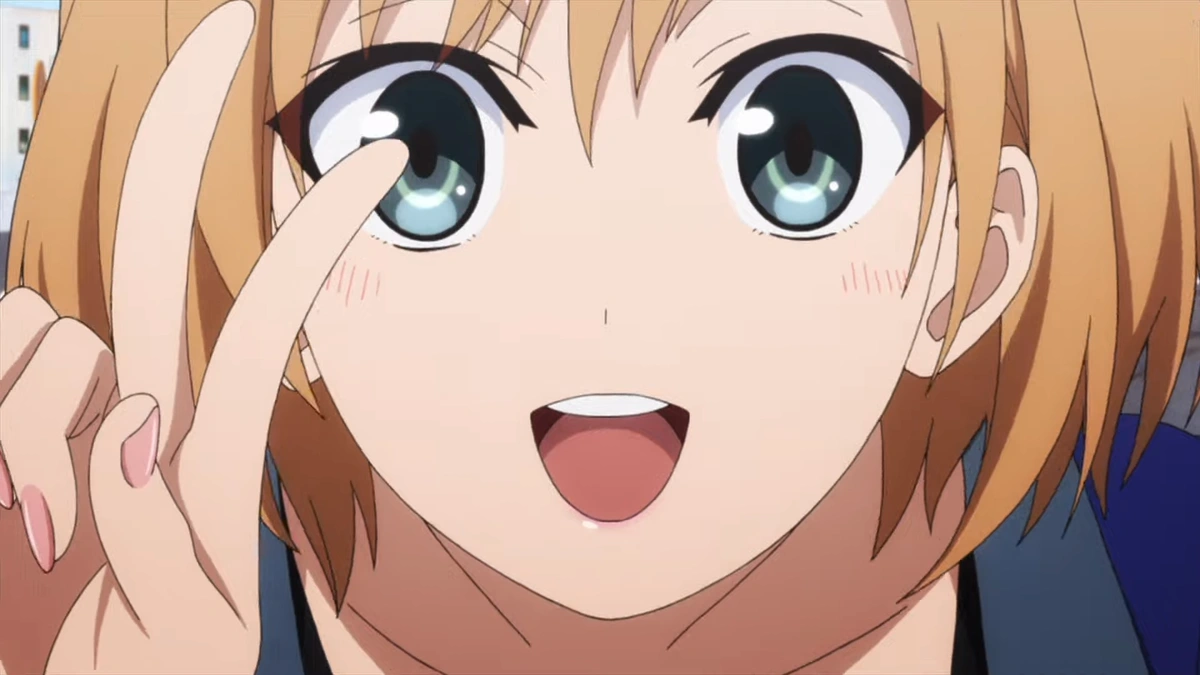
Anime girl is a popular term used to describe female characters created in Japanese animation, manga, video games, and other forms of Japanese entertainment. These characters have become an important part of modern pop culture, attracting audiences from Japan, the United States, the United Kingdom, India, Brazil, France, Germany, and many other countries. Some anime girls are known for their magical abilities, some are powerful warriors, while others are remembered for their intelligence, beauty, humour, emotional stories, and unique personalities.
However, anime girl culture did not become popular overnight. It developed over several decades through Japanese animation, illustrated storytelling, television series, manga publications, and feature films. Early female characters were often presented in simple fantasy or comedy stories, but over time, their roles became more complex. They started appearing as independent heroes, scientists, school students, professional fighters, princesses, and leading characters in serious dramatic stories.
Today, anime girls are not limited to television screens. They influence fashion, digital art, gaming, cosplay, merchandise, social media, and online communities. Understanding their history provides a clearer picture of how a Japanese entertainment style developed into a worldwide cultural phenomenon.
What Is Anime and What Does Anime Girl Mean?
Anime is the Japanese term commonly used internationally for animation produced in Japan. It is a medium rather than a single genre, meaning it can include romance, action, adventure, comedy, fantasy, science fiction, horror, mystery, and historical storytelling.
An anime girl generally refers to a female character appearing in Japanese animation or an anime-inspired artistic style. These characters are often recognizable through their distinctive hairstyles, expressive eyes, colourful clothing, and carefully designed facial expressions. However, there is no single appearance that defines every anime girl. Their designs vary according to the story, artist, animation studio, and intended audience.
For example, Sailor Moon is associated with magical transformations and heroic adventures, while Mikasa Ackerman from Attack on Titan is known for her combat skills and determination. Chihiro from Spirited Away represents personal growth and courage, while Bulma from Dragon Ball is remembered for her intelligence, inventions, and adventurous personality.
The term has also expanded beyond traditional animation. People use anime girl to describe characters in manga illustrations, Japanese role-playing games, visual novels, digital illustrations, collectible figures, and online fan art.
It is important to understand that anime girls are fictional characters. Their popularity comes from storytelling, visual creativity, character development, and the emotional connections audiences develop with them.
When Did Anime Begin? The Early History of Japanese Animation
The history of anime goes back much further than modern streaming platforms and internationally famous television series.
Japanese animation began developing during the early twentieth century. Historical research identifies 1917 as an important year because some of Japan’s earliest publicly screened animated films appeared during this period. One well-known early work is Namakura Gatana, also called The Dull Sword.
At that time, animation was very different from what audiences watch today. Artists worked with limited equipment and production resources. Short animated sequences were created through traditional drawing and photographic techniques, and the industry was still developing its identity.
During the following decades, Japanese animation gradually improved. Studios and individual artists experimented with storytelling, character movements, and visual presentation. The Second World War also influenced animation production, including the creation of feature-length films such as Momotaro’s Divine Sea Warriors in 1945.
The real transformation of Japanese television animation came during the 1960s. One of the most important figures in this development was Osamu Tezuka, a manga artist and animation creator often associated with the foundations of modern anime.
His television adaptation of Astro Boy began broadcasting in 1963. It became the first Japanese 30-minute animated television series and helped establish a production model that influenced later anime creators.
This period created the foundation for the animation industry that eventually introduced many memorable female characters to international audiences.
How Did Anime Girls First Become Popular?
There is no single year when anime girls suddenly appeared. Female characters existed in Japanese illustrated entertainment before modern anime became a major industry. Their development was connected to manga, children’s magazines, fantasy stories, and television animation.
One important part of this history is shōjo manga, a category of Japanese comics traditionally marketed toward girls and young female readers.
During the 1950s, Osamu Tezuka created Princess Knight, also known as Ribon no Kishi. The manga was serialized in Shōjo Club between 1953 and 1956. Its main character, Princess Sapphire, was a princess who had to live and act as a prince to protect her position in the kingdom.
Sapphire was different from many traditional female characters because she could fight, make difficult decisions, and challenge expectations about how a princess should behave. The story became influential in the development of girls’ manga and later female anime characters.
Another major development arrived in the 1960s with magical-girl entertainment. Sally the Witch, which began airing in 1966, is recognized as an early Japanese television anime specifically aimed at young girls.
Sally was a magical princess living in the human world. Her adventures helped establish a storytelling style in which young female characters could possess supernatural powers while experiencing everyday life.
These early productions helped create the foundation for the anime girl characters that became internationally popular in later decades.
The Evolution of Anime Girl Characters Through Different Decades
The 1960s and 1970s: The Beginning of Magical Heroines
During the 1960s and 1970s, magical girls became an important part of Japanese television animation. Characters were often presented as young heroines with special abilities, magical objects, and fantasy adventures.
Shows such as Sally the Witch helped introduce this concept to television audiences. Other productions gradually expanded the idea with transformation sequences, magical costumes, and stories about friendship and personal responsibility.
The popularity of these productions demonstrated that female-led animated stories could attract dedicated audiences.
The 1980s: More Personality and Artistic Variety
The 1980s introduced a wider variety of female anime characters. Instead of focusing only on magical powers or traditional princess stories, creators experimented with science fiction, comedy, romance, music, and adventure.
Characters became more visually distinctive, and their personalities played a greater role in their popularity.
This period also helped develop the anime industry for older viewers. More complicated stories, emotional relationships, and science-fiction settings expanded the audience beyond young children.
The 1990s: Sailor Moon Changes the Global Image
The 1990s were extremely important for anime girl culture because of the international success of Sailor Moon.
The manga, created by Naoko Takeuchi, began in 1991, and its television anime premiered in 1992. The story follows Usagi Tsukino, an ordinary schoolgirl who discovers that she has the power to become Sailor Moon.
She joins other magical heroines to protect the world from dangerous enemies. The series combined friendship, romance, humour, fantasy, and action.
Sailor Moon became a major international success and helped introduce magical-girl storytelling to audiences outside Japan.
Other female characters from this era also became popular through series such as Neon Genesis Evangelion, Cardcaptor Sakura, and Revolutionary Girl Utena.
The 2000s: Anime Girls Become Part of Global Internet Culture
During the 2000s, anime became increasingly accessible through international television broadcasts, DVDs, online communities, and fan websites.
Characters from series such as Naruto, Bleach, Fullmetal Alchemist, and Death Note attracted international audiences.
Female characters were no longer limited to magical-girl stories. They appeared as fighters, scientists, students, detectives, leaders, and important supporting characters.
The growing internet community also allowed fans to discuss their favourite characters, create illustrations, share wallpapers, and participate in fan discussions.
The 2010s and 2020s: Social Media and Streaming Expand Anime Girl Culture
The rise of streaming services and social media introduced anime to a much wider audience.
Platforms such as Netflix and Crunchyroll made Japanese animation easier to discover in different countries. Instagram, TikTok, YouTube, Reddit, and online art communities also helped anime-inspired content reach new viewers.
Characters from series such as Demon Slayer, My Hero Academia, Jujutsu Kaisen, Spy x Family, and Chainsaw Man became popular internationally.
Female characters such as Nezuko Kamado, Nobara Kugisaki, Makima, Yor Forger, and Mitsuri Kanroji attracted large fan communities.
Modern anime girl culture now includes professional digital artwork, cosplay, animation edits, collectible products, gaming characters, and fan-created stories.
Famous Anime Girls and Their Popular Characters
Some anime girl characters have become internationally recognized because of their memorable stories, visual designs, and personalities.
Sailor Moon – Sailor Moon
<PRIVATE_PERSON> is the main character of the Sailor Moon franchise. She begins as an ordinary student but discovers her responsibility as a magical guardian. Her story focuses on friendship, courage, love, and personal growth.
Nezuko Kamado – Demon Slayer
Nezuko is one of the central characters in Demon Slayer. After becoming a demon, she struggles to maintain her humanity and protect her brother. Her character is associated with loyalty, compassion, and strength.
Mikasa Ackerman – Attack on Titan
Mikasa is known for her exceptional combat abilities and determination. Her story explores loyalty, family, survival, and the difficult choices people face during war.
Asuna Yuuki – Sword Art Online
Asuna is an important character in Sword Art Online. She is known for her sword skills, intelligence, and relationship with the main protagonist, Kirito.
Hinata Hyuga – Naruto
Hinata begins as a shy and reserved character but gradually develops confidence and courage. Her journey focuses on self-improvement, determination, and personal relationships.
Bulma – Dragon Ball
Bulma is one of the most important female characters in the Dragon Ball franchise. She is an intelligent inventor whose technology and scientific knowledge help the main characters throughout their adventures.
Chihiro Ogino – Spirited Away
Chihiro is the central character of Studio Ghibli’s famous animated film Spirited Away. Her journey through a mysterious spirit world teaches her courage, responsibility, and independence.
These examples demonstrate that anime girl characters are not all created around the same personality or storyline. Each character represents a different approach to storytelling.
Are There Anime Girl Movies?
Yes. Anime girls have appeared in hundreds of animated feature films, including fantasy adventures, romantic dramas, science-fiction stories, and family entertainment.
Some internationally recognized films featuring memorable female characters include:
Spirited Away (2001)
Directed by Hayao Miyazaki, Spirited Away follows a young girl named Chihiro who enters a mysterious spirit world. The film received the Academy Award for Best Animated Feature in 2003.
Princess Mononoke (1997)
This Studio Ghibli film features San, a young woman raised by wolves who fights to protect the forest. The movie explores environmental destruction, human responsibility, and the conflict between nature and industrial development.
Kiki’s Delivery Service (1989)
Kiki is a young witch who leaves home to begin an independent life. The film focuses on confidence, friendship, work, and discovering personal abilities.
Your Name (2016)
Directed by Makoto Shinkai, this romantic fantasy film follows two teenagers, Mitsuha and Taki, who mysteriously begin switching bodies. Mitsuha is one of the central female characters in the story.
Weathering with You (2019)
Another film by Makoto Shinkai, this story follows a teenager named Hodaka and a girl named Hina, who has the mysterious ability to influence the weather.
The Tale of the Princess Kaguya (2013)
Produced by Studio Ghibli and directed by Isao Takahata, the film tells a beautiful and emotional story about a mysterious girl discovered inside a bamboo stalk.
The Boy and the Heron (2023)
This Studio Ghibli production features several important female characters, including Himi and Natsuko, in a fantasy story about grief, family, and personal discovery.
These movies demonstrate that anime girl characters can be part of serious artistic films rather than appearing only in television entertainment.
Do Anime Girls Have Novels and Books?
Yes. Anime girl characters are connected to several forms of Japanese literature, including manga, light novels, illustrated books, and visual novels.
Manga is one of the most important sources for anime storytelling. Many popular animated series are adapted from manga that were originally published in Japanese magazines or collected book volumes.
Light novels are another important source. These are illustrated prose books, usually featuring chapters of written storytelling and occasional character illustrations. Some become popular anime series after gaining a readership.
For example, Sword Art Online began as a series of light novels written by Reki Kawahara. It later expanded into manga, television anime, films, and video games.
The Monogatari Series, written by Nisio Isin, is another example of a literary franchise that expanded into anime and other forms of entertainment.
Visual novels also play an important role. These are interactive story-based games that frequently feature anime-style characters, dialogue choices, romantic relationships, and multiple story endings.
Some visual novels are later adapted into television anime or animated films.
Therefore, anime girls are not limited to animation. They are part of a much larger storytelling ecosystem involving books, comics, games, and digital entertainment.
What Else Has Anime Girl Culture Created?
The popularity of anime girl characters has contributed to several creative industries.
Digital Art and Illustration
Artists around the world create original anime-inspired characters, portraits, wallpapers, posters, and digital illustrations. These artworks are shared through online art communities and social media.
Cosplay and Fashion
Cosplay involves dressing as fictional characters from anime, manga, and video games. Anime girl characters are especially common at conventions because their costumes often feature distinctive hairstyles, uniforms, fantasy outfits, and accessories.
Video Games
Many Japanese video games use anime-inspired female character designs. Games such as Genshin Impact and Honkai: Star Rail feature detailed characters, fantasy environments, and story-based gameplay.
Collectible Figures and Merchandise
Anime characters have become popular subjects for collectible figures, posters, keychains, clothing, plush toys, and other licensed products.
Music and Dance Culture
Anime opening songs, ending themes, character songs, and fan-created dance videos have developed their own international audiences.
Social Media Communities
Online communities share character illustrations, recommendations, fan theories, edits, and discussions. Some creators also develop original anime-style characters and build audiences around their artwork.
Which Generation Likes Anime Girls the Most?
Anime is enjoyed by people of different ages, but research suggests that younger generations are especially active viewers.
A 2025 report commissioned by Crunchyroll and conducted by the National Research Group surveyed 29,000 entertainment consumers aged 13 to 54 across seven markets, including the United States, United Kingdom, India, Germany, France, Brazil, and Mexico. Approximately 54% of the Gen Z group surveyed expressed fandom for anime.
Another important report from Dentsu found that approximately half of Gen Z and Millennials watched anime weekly. This demonstrates that anime is no longer limited to a small group of dedicated Japanese animation fans.
A 2024 Polygon and Vox Media study also found that 42% of surveyed American Gen Z respondents watched anime weekly, compared with 25% who watched the NFL weekly.
However, these statistics measure anime interest and viewing, not specific preferences for anime girl characters. It would be inaccurate to claim that every Gen Z viewer prefers female anime characters.
The following generations have different connections with anime:
Generation X
Some older viewers became familiar with Japanese animation through television broadcasts, science-fiction series, and classic animated productions. Their interest often developed before online streaming became widely available.
Millennials
Millennials experienced the international expansion of anime through television, DVDs, early internet communities, and popular franchises such as Dragon Ball, Sailor Moon, Naruto, and Pokémon.
Generation Z
Gen Z has played an important role in modern anime fandom. Social media, streaming services, online gaming, digital art, and cosplay have made anime easier to discover and discuss.
Generation Alpha
Younger viewers are growing up with streaming platforms, mobile devices, gaming communities, and short-form video content. Anime-inspired characters and visual styles are part of the entertainment environment they encounter online.
Overall, Gen Z and Millennials are among the strongest active anime audiences, although anime continues to attract viewers from older and younger age groups.
Why Are Anime Girls So Popular Worldwide?
There are several reasons behind the worldwide popularity of anime girl characters.
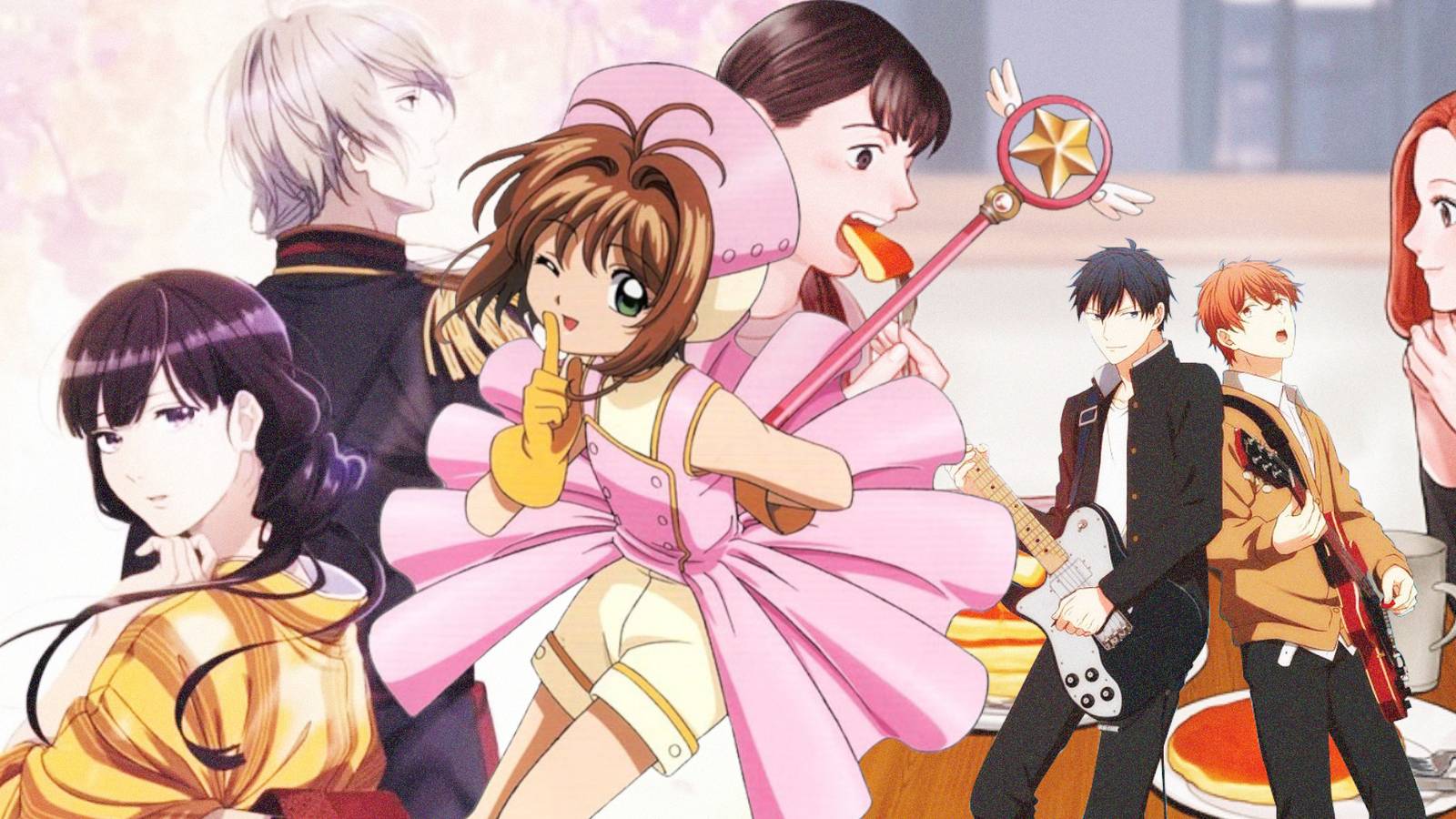
One important factor is visual creativity. Japanese animation often uses distinctive hairstyles, expressive eyes, colourful costumes, and recognizable character designs. These features make characters easy to identify and remember.
Another reason is emotional storytelling. Audiences may connect with characters who experience friendship, loneliness, ambition, family problems, personal growth, or difficult life decisions.
The variety of personalities also makes anime appealing to different viewers. Some people enjoy confident action heroes, while others prefer intelligent scientists, humorous characters, romantic heroines, or fantasy princesses.
Accessibility is another major factor. International streaming platforms have introduced Japanese animation to viewers who previously had limited access to it. Dubbed and subtitled versions have also made it easier for audiences to enjoy stories in different languages.
Finally, online fan communities have helped anime culture grow beyond traditional television. Fans can share artwork, discuss stories, create cosplay costumes, and connect with people who have similar interests.
Conclusion
Anime girl culture has developed through more than a century of Japanese animation history and several decades of manga and television storytelling. Its roots can be connected to early Japanese animation, the development of shōjo manga, and the introduction of magical heroines during the 1960s.
Over time, female characters became more diverse, appearing in adventure films, romantic dramas, science-fiction stories, action series, light novels, and video games. Sailor Moon, Chihiro, Nezuko, Mikasa, Bulma, and many other characters demonstrate how different anime creators approach female storytelling.
Today, anime girls are an important part of global entertainment culture. Their influence can be seen in digital illustration, fashion, cosplay, gaming, merchandise, online communities, and animated films. Younger generations, particularly Gen Z and Millennials, have helped expand the international audience, while streaming platforms continue to make Japanese animation accessible to more countries.
The popularity of anime girls is ultimately connected to creativity and storytelling. These characters are not defined by one appearance or personality. They represent a wide range of fictional experiences, artistic styles, and imaginative worlds that continue to attract audiences around the globe.
