


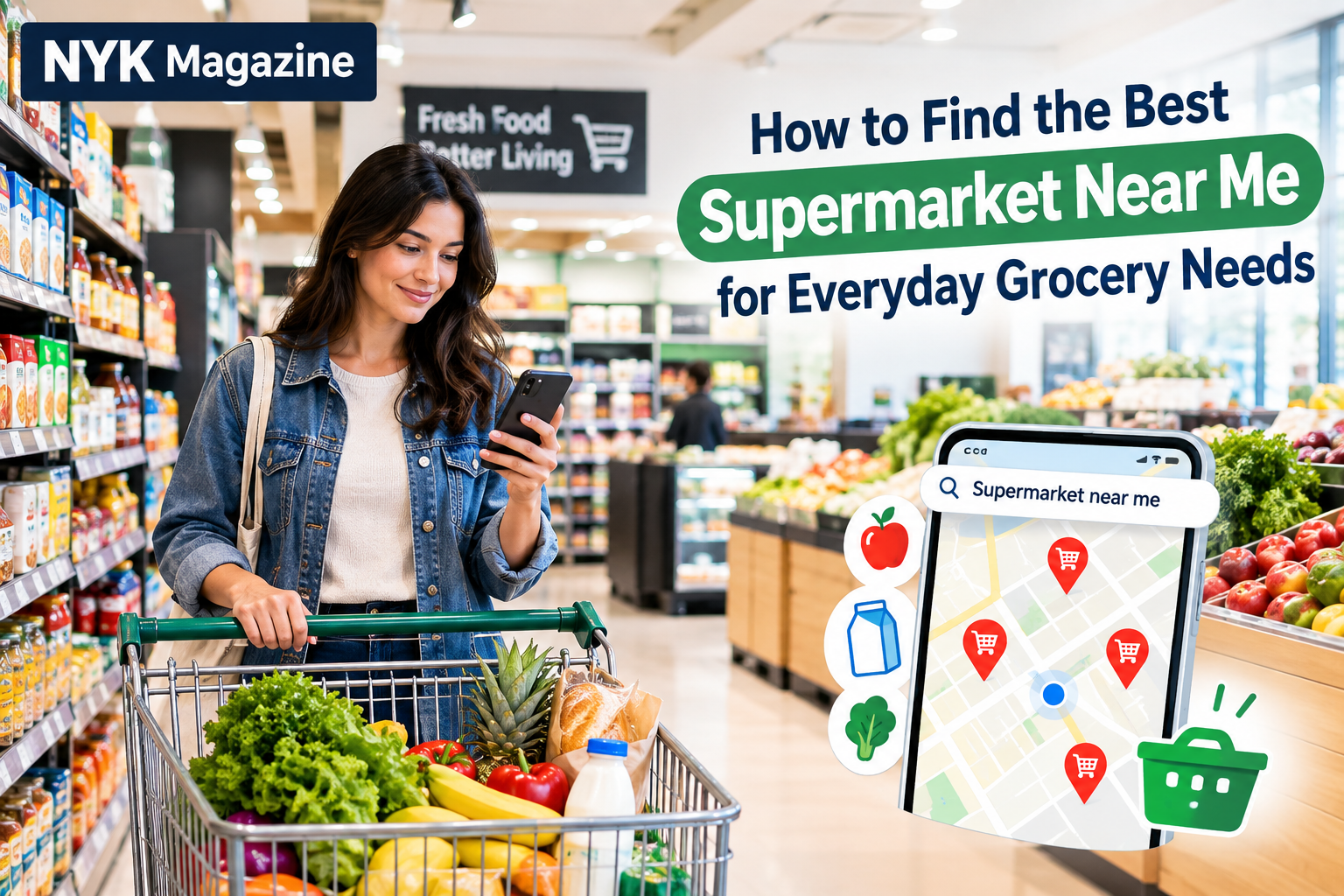
Finding a supermarket near me is one of the most common local searches people make when they need groceries, fresh food, household essentials, or everyday products. With smartphones and location-based search services, shoppers can now find nearby supermarkets within seconds instead of spending time searching through directories or driving around unfamiliar areas.
However, finding a supermarket is only the first step. The nearest store may not always be the most suitable one. Product selection, opening hours, cleanliness, accessibility, fresh-food quality, customer reviews, and convenience can all influence the shopping experience.
Whether you are looking for a supermarket in your local neighbourhood or searching for a grocery store while travelling, knowing what to look for can help you make a better choice.
What Does “Supermarket Near Me” Mean?
The phrase supermarket near me is a location-based search term. People generally use it when they want to find grocery stores or supermarkets close to their current location.
Search engines and map applications can use location information to provide relevant local results. Depending on the platform and the business listing, shoppers may be able to see a store’s location, opening hours, contact details, website, reviews, photographs, and directions.
This type of search is particularly useful when someone is in an unfamiliar area. Instead of searching for a specific supermarket brand, users can search for the type of store they need and compare several nearby options.
Why Local Supermarket Searches Are Useful
Local supermarket searches have made grocery shopping more convenient. A person may need a few essential items but may not know which stores are located nearby. A quick local search can provide several options without requiring extensive research.
This can be helpful for people who:
- Have recently moved to a new area
- Are travelling or staying somewhere temporarily
- Need groceries urgently
- Want to compare nearby supermarkets
- Are looking for specific food products
- Prefer shopping at local stores
- Want a supermarket with convenient opening hours
Location-based search is also useful because it can provide directions, allowing shoppers to estimate how practical a particular store is for their journey.
How to Find a Supermarket Near Me
The easiest way to find a nearby supermarket is to use a map or search application. Entering “supermarket near me” can produce a list of relevant local businesses.
You can also make your search more specific by using phrases such as:
- Grocery store near me
- Local supermarket near me
- Fresh food supermarket near me
- Grocery shops near me
- Supermarket open near me
- Supermarket in my area
If you are searching for a store in another location, adding the name of the neighbourhood, town, or city can make the results more relevant.
After receiving the results, compare the available stores instead of automatically selecting the first listing.
Distance Is Important, but It Is Not Everything
When searching for a supermarket, distance is naturally an important consideration. A nearby store can save travel time and make frequent shopping trips easier.
However, the closest supermarket may not always be the best choice.
For example, a store that is slightly farther away might have a larger selection of fresh produce, better accessibility, more convenient parking, or a wider range of specialist products.
Therefore, shoppers should consider both distance and overall convenience. A supermarket that meets your regular shopping needs can be more valuable than one that is only a few minutes closer.
Check Supermarket Opening Hours
Opening hours are another important factor when choosing a supermarket.
Different stores may operate on different schedules, and opening times can change on weekends, public holidays, or special occasions. Checking the latest available opening information before travelling can help prevent an unnecessary trip.
If you need groceries early in the morning or later in the evening, look specifically for supermarkets that operate during those hours.
It is also worth remembering that online business listings may occasionally contain outdated information. When shopping at an unusual time, checking the supermarket’s official website or contacting the store directly can provide additional confirmation.
Look at Customer Reviews
Customer reviews can provide useful information about the shopping experience.
Reviews may discuss:
- Product availability
- Store cleanliness
- Staff service
- Checkout waiting times
- Parking facilities
- Fresh food quality
- Store organisation
- Accessibility
However, reviews should be considered as one source of information rather than the only factor in your decision.
A single negative review does not necessarily mean that a supermarket is poor. Instead, look for consistent patterns across multiple reviews. Recent feedback can be particularly useful because stores can change their services, management, product range, or facilities over time.
Consider the Range of Products
Different supermarkets have different product ranges. A large supermarket may provide groceries, fresh produce, meat, seafood, bakery products, dairy items, frozen food, drinks, cleaning products, personal-care products, and household essentials.
Smaller supermarkets and local grocery stores may have a more limited selection but can still be useful for everyday shopping.
If you need something specific, check whether the store normally carries that type of product before making a special journey.
This is especially important for shoppers looking for international foods, vegetarian or vegan products, gluten-free options, organic foods, or other specialised grocery items.
Choosing Fresh Fruits and Vegetables
Fresh fruits and vegetables are an important part of everyday grocery shopping, but choosing good-quality produce requires more than simply picking the most attractive items. When visiting a supermarket, shoppers should examine the appearance, texture, freshness, and condition of fruits and vegetables before adding them to their carts. Selecting produce carefully can improve both the quality of meals and the amount of time the food remains fresh at home.
Check the Appearance and Condition
Start by looking carefully at the overall appearance of the produce. Fresh fruits and vegetables should generally look clean and healthy for their particular type. Avoid items with significant bruising, deep cuts, excessive soft spots, mould, or signs of decay. Damaged areas can deteriorate quickly and may allow bacteria to multiply more easily. The FDA recommends choosing produce that is free from obvious bruising or damage.
However, minor imperfections do not necessarily mean that a fruit or vegetable is unsafe or poor quality. Natural variations in size, shape, and colour are common. Instead of judging produce only by appearance, consider whether it feels appropriate for its type and intended use.
Consider Firmness and Ripeness
Firmness is another useful indicator when selecting fresh produce. Apples, pears, cucumbers, carrots, and similar items should normally have a firm texture. On the other hand, some fruits, such as peaches, avocados, and mangoes, may become softer as they ripen.
Think about when you plan to eat the food. If you need fruit for the same day, a ripe option may be appropriate. If you are planning meals several days in advance, choosing produce at an earlier stage of ripeness can help it last longer.
Inspect Packaged Produce Carefully
Packaged fruits and vegetables require additional attention. Items such as berries, salad greens, cut fruit, and prepared vegetables should be properly refrigerated or kept on ice when required. Avoid packages that contain excessive moisture, visible mould, damaged pieces, or produce that appears significantly deteriorated.
The FDA recommends that pre-cut, bagged, or packaged produce be selected from refrigerated displays or areas surrounded by ice.
Separate Produce From Raw Foods
When placing groceries in your shopping cart, keep fresh fruits and vegetables separate from raw meat, poultry, and seafood. Raw-food packaging can sometimes leak, creating a risk of cross-contamination.
Using separate bags for produce and raw animal products is a simple precaution that can help protect food during the journey home. USDA and FDA food-safety guidance both recommend keeping produce separate from raw meat, poultry, and seafood.
Wash Produce Properly at Home
After purchasing fresh fruits and vegetables, proper preparation is equally important. Before eating or preparing produce, wash it thoroughly under clean, running water. Firm items such as apples, potatoes, melons, and cucumbers can be gently scrubbed with a clean produce brush when appropriate.

Do not use soap, detergent, bleach, or household cleaning products to wash fruits and vegetables. These substances are not intended for cleaning food and may leave residues that can be harmful if consumed.
It is also important to wash produce even when you do not plan to eat the skin. Cutting or peeling an unwashed item can transfer dirt or bacteria from the outside surface to the edible portion.
Store Fruits and Vegetables Correctly
Proper storage can help preserve the quality and freshness of your groceries. Many perishable fruits and vegetables, including berries, leafy greens, fresh herbs, and mushrooms, should be refrigerated. Pre-cut and packaged produce should also be refrigerated according to the product’s instructions.
It is generally better to wash fresh produce shortly before using it rather than washing everything immediately after shopping, because excess moisture can contribute to faster deterioration for some products. If produce is washed before storage, it should be dried thoroughly first.
Choose According to Your Meal Plan
Finally, buy produce according to what you realistically plan to eat. Purchasing large quantities simply because an item looks fresh can lead to unnecessary waste if it spoils before you have an opportunity to use it.
Planning a few meals before visiting the supermarket can make your shopping more efficient. You can select a combination of vegetables for cooking, fruits for snacks, and salad ingredients for the week. Buying a variety of colours and types can also make meals more appealing while providing a broader range of nutrients.
By carefully examining fresh produce, separating it from raw foods, washing it correctly, and storing it appropriately, shoppers can make more informed choices and enjoy better-quality fruits and vegetables at home.
Pay Attention to Refrigerated and Frozen Foods

Shopping order can also matter when purchasing perishable food.
Refrigerated and frozen foods should generally be selected closer to the end of the shopping trip. This reduces the amount of time that temperature-sensitive products remain outside appropriate refrigeration.
USDA food-safety guidance recommends going directly home after shopping and refrigerating or freezing perishable foods within two hours. If the surrounding temperature is above 90°F (32.2°C), the recommended limit is one hour.
For longer journeys, an insulated cooler with ice or frozen gel packs can help maintain a safer temperature for perishable foods.
Keep Raw Foods Separate
When buying meat, poultry, seafood, or other raw products, preventing cross-contamination is important.
Raw meat and seafood should be kept separate from ready-to-eat foods and other groceries. Their juices should not come into contact with foods that will be eaten without further cooking.
Using separate shopping bags or placing raw products securely in packaging can help reduce the risk of contamination.
These precautions are simple but important, particularly when transporting groceries home.
Compare Nutrition Information

Supermarkets provide consumers with a large selection of packaged foods, and comparing labels can make it easier to understand what you are buying.
Nutrition labels can provide information about calories, fat, saturated fat, carbohydrates, sugars, protein, sodium, and other nutrients, depending on the product and country.
Ingredient lists are also useful. They allow shoppers to identify the ingredients used in packaged foods and compare similar products.
Rather than focusing on a single number, consider the overall nutritional information and whether the product fits your individual dietary requirements.
Plan Your Shopping Trip
A little preparation can make a supermarket visit much more efficient.
Before leaving home, check your refrigerator, freezer, and cupboards. This helps you avoid buying products you already have.
Create a shopping list and organise it according to the sections of the supermarket. For example, you might group items into fresh produce, dairy, meat, frozen foods, pantry items, and household products.
Meal planning can also help reduce unnecessary purchases. Knowing what meals you intend to prepare during the week makes it easier to identify the ingredients you actually need.
Think About Accessibility and Parking
Accessibility can make a major difference to the supermarket experience.
If you are shopping with children, carrying heavy bags, or travelling with someone who has mobility limitations, consider whether the supermarket provides suitable parking, entrances, aisles, lifts, or other accessibility features.
Parking can also be important for people buying large quantities of groceries. A supermarket with convenient parking may be more practical than a smaller store with limited parking, even if the smaller store is slightly closer.
Online Grocery Shopping and Local Supermarkets
Online grocery shopping has changed the way many people purchase everyday food and household essentials. Instead of visiting a physical supermarket for every shopping trip, consumers can browse products through a website or mobile application, add items to a virtual basket, and choose either home delivery or store pickup where these services are available.
According to research from the USDA Economic Research Service, 19.3 percent of U.S. individuals aged 15 and older who were involved in grocery shopping purchased groceries online at least once during the previous 30 days in 2022. Among those online shoppers, grocery pickup and home delivery were used at almost equal rates. Time limitations were the most commonly reported reason for choosing online grocery shopping.
This growth does not mean that physical supermarkets have become unnecessary. In fact, local supermarkets and online grocery services can complement each other, giving shoppers more flexibility depending on their needs.
Convenience of Online Grocery Shopping

One of the biggest advantages of online grocery shopping is convenience. Customers can browse products from home without walking through every aisle of a supermarket. This can be particularly useful for people with busy schedules, families managing several responsibilities, or anyone who wants to reduce the time spent on routine grocery trips.
Online shopping also allows customers to prepare their orders in advance. Instead of making several unplanned purchases while walking around a store, shoppers can review their virtual basket before completing the order.
For regular household products such as rice, pasta, canned foods, cleaning supplies, toiletries, and packaged goods, online ordering can be a practical option.
Delivery and Store Pickup Options
Depending on the supermarket and location, online grocery orders may be available through home delivery, curbside pickup, or collection from a designated area inside or near the store.
Home delivery can be useful for customers who have difficulty travelling to a supermarket or who simply want groceries brought directly to their homes. Store pickup can provide another option for people who want to avoid spending time shopping inside the store but still prefer to collect their groceries themselves.
USDA research found that, among online grocery shoppers in its 2022 data, 49.1 percent usually used pickup while 48.7 percent usually received groceries through delivery.
The availability of these services varies by supermarket, location, and delivery area, so shoppers should check the options offered by their local store.
Why Local Supermarkets Still Matter
Despite the growing popularity of online grocery shopping, physical supermarkets remain important because they allow customers to see and evaluate products before purchasing them.
This is particularly valuable when buying fresh fruits, vegetables, bakery products, meat, or other items where appearance, ripeness, texture, or freshness may influence the purchasing decision.
A physical supermarket also gives shoppers immediate access to products without waiting for an order to be prepared or delivered. If someone needs an ingredient urgently, visiting a nearby store can often be more practical than placing an online order.
Online Shopping Makes Product Comparison Easier
Another advantage of online grocery shopping is that customers can often compare different products more easily. Depending on the platform, shoppers may be able to view product descriptions, package sizes, ingredients, nutrition information, and other details before adding an item to their basket.
This can be particularly helpful for people who are looking for specific dietary products or want to compare similar packaged foods.
However, online product information should still be checked carefully. Product availability, package sizes, ingredients, and other details can change, so consumers should review the information displayed at the time of purchase.
Fresh Food Can Be Different Online
One limitation of online grocery shopping is that customers may not personally select fresh food. When shopping in a physical supermarket, you can examine fruits and vegetables yourself and choose products based on their appearance and ripeness.
With online orders, the supermarket or its shopping staff usually select the products on the customer’s behalf. Some services may provide options for substitutions or allow customers to specify preferences, but the exact process varies between retailers.
For shoppers who are particularly selective about fresh produce, visiting a local supermarket may therefore provide greater control.
Food Safety Should Also Be Considered
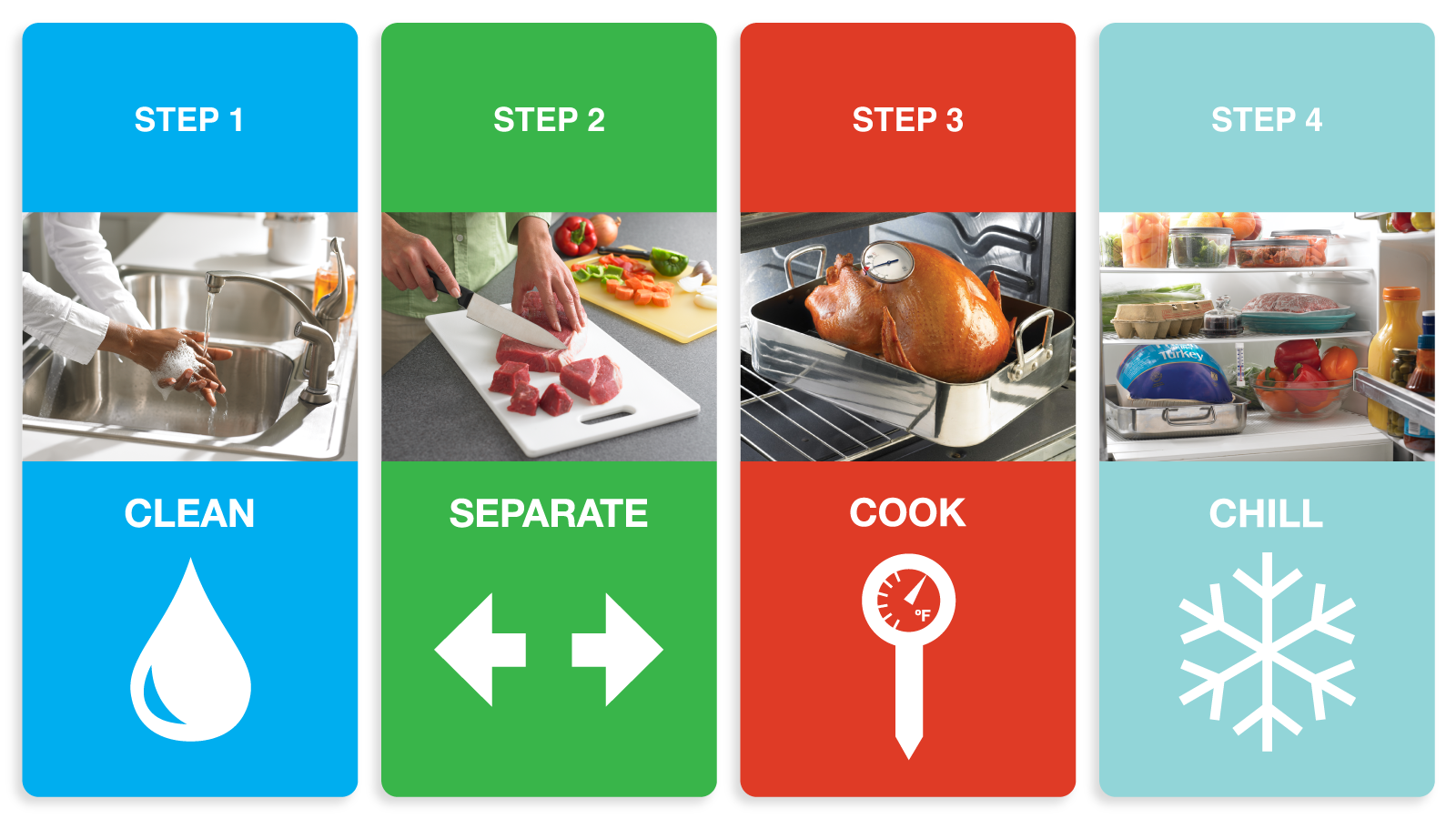
Food safety remains important whether groceries are purchased online or in person. Perishable products such as meat, poultry, seafood, dairy products, and certain prepared foods need appropriate temperature control.
USDA food-safety guidance recommends buying cold foods toward the end of a shopping trip and refrigerating or freezing perishable foods within two hours of purchase. When temperatures are above 90°F (32.2°C), the recommended limit is one hour.
For online deliveries, customers should pay attention to how quickly perishable products are put away after arrival. If groceries arrive cold, they should be transferred to appropriate refrigerated or frozen storage promptly.
Local Supermarkets Can Provide Immediate Access
A local supermarket can be especially valuable when shoppers need something quickly. Instead of waiting for a delivery window, customers can search for a supermarket near me, visit the closest suitable store, and purchase the required products immediately.
This can be useful for last-minute meal ingredients, fresh produce, household necessities, or products needed for an unexpected situation.
Local supermarkets may also serve an important role in communities where access to larger food retailers is limited. Research from the USDA Economic Research Service has examined how access to food stores can influence where households purchase food and the types of retailers available to them.
Combining Online and In-Store Shopping
Consumers do not necessarily have to choose between online grocery shopping and physical supermarkets. Using both methods can provide greater flexibility.
For example, a shopper might order heavy household products and regularly purchased pantry items online while visiting a local supermarket to select fresh fruits, vegetables, meat, or bakery products personally.
This approach can reduce unnecessary shopping trips while still allowing customers to inspect products that are more difficult to evaluate online.
Consider the Total Shopping Experience
When comparing online grocery services with local supermarkets, shoppers should consider more than convenience. Delivery availability, order accuracy, product selection, freshness, pickup arrangements, customer service, and the ability to choose specific products can all affect the overall experience.
Online grocery shopping may be particularly convenient for routine purchases, while a physical supermarket can be better when immediate access or personal product selection is important.
Ultimately, the best option depends on the shopper’s schedule, location, household requirements, and the type of products being purchased.
Making the Most of Both Options
A practical grocery routine can combine the strengths of both approaches. Before shopping, create a list and identify which products need to be purchased immediately and which can be ordered in advance.
Use online shopping for products that are predictable and easy to select, and consider visiting a local supermarket when freshness, appearance, or immediate availability matters.
This flexible approach can make grocery shopping more organised without completely replacing the benefits of traditional supermarkets.
Online grocery shopping and local supermarkets are not necessarily competing choices. They can work together to provide consumers with convenient access to food and household essentials. By understanding the advantages and limitations of each method, shoppers can choose the approach that best fits their everyday needs.
How to Choose the Best Supermarket Near Me
Instead of choosing a supermarket based on a single factor, create a simple checklist.
Ask yourself:
- Is the supermarket conveniently located?
- Are the opening hours suitable?
- Does it carry the products I regularly need?
- Are fresh foods handled and presented properly?
- Are the reviews generally positive?
- Is parking available if I need it?
- Is the store accessible?
- Does it offer online ordering or delivery if required?
- Is the shopping environment organised and easy to navigate?
- Is it convenient enough for regular visits?
Answering these questions can help you identify a supermarket that works well for your routine.
Why Location-Based Grocery Shopping Continues to Grow
The way people search for local businesses has changed significantly with the growth of smartphones and digital maps. Consumers increasingly expect search results to provide useful information about nearby businesses rather than simply showing general websites.
A search such as supermarket near me reflects this behaviour. People are often looking for an immediate and practical solution rather than general information about supermarkets.
Local search can connect consumers with businesses in their surrounding area while helping them compare basic details before making a visit.
Final Thoughts
Searching for a supermarket near me is a simple way to discover grocery stores and supermarkets in your area, but finding the right store requires a little more consideration. Distance, opening hours, product selection, customer reviews, accessibility, fresh-food quality, and convenience can all affect the overall shopping experience.
Using local search tools can help shoppers identify nearby options, while checking business information and planning a shopping list can make the trip more efficient. Paying attention to food-safety practices is equally important, particularly when buying fresh, refrigerated, frozen, or raw foods.
Whether you need a quick grocery stop or a supermarket for your regular weekly shopping, taking a few moments to compare local options can help you find a store that better matches your needs. Read more
